
Natural facial care in four easy steps
Natural skincare sounds complicated: ten steps, ingredients you can’t pronounce, a shelf that keeps filling up. It isn’t. Underneath the marketing, a face routine is just a few simple moves, and “natural” only changes what’s in the bottle, not what you do with it. Here’s each step in plain terms: what a cleansing balm is, what to look for on a toner, when a facial oil is worth it, and how green tea and clay work on your skin.
Building a simple natural face routine
The order rarely changes, and a good routine is short. It comes down to four moves:
- Cleanse. Lift makeup, sunscreen and the day’s grime.
- Tone. Add a light layer of hydration. Optional.
- Treat. A mask or a targeted step, now and then.
- Moisturise. Seal everything in so skin stays comfortable.
Morning can be the short version, evening the fuller one. “Natural” does not change the steps, only the kind of ingredients in each bottle, usually plant oils, botanical extracts and humectants instead of synthetics. Worth saying plainly: not every face needs every step. A cleanser and a moisturiser cover most people, and toners, oils and masks are additions for when skin calls for them, not boxes to tick.
What a cleansing balm is, and how to use one
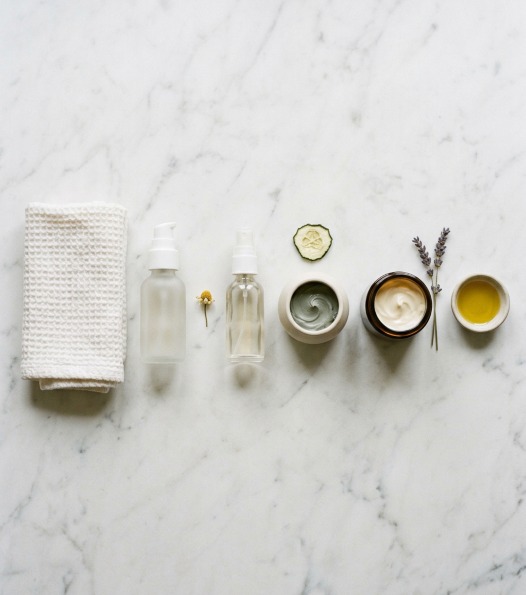
A cleansing balm is an oil-based cleanser that starts solid or semi-solid and melts on warm skin. Some brands call the same thing a cleansing butter. Warmed between the fingers and massaged onto dry skin, it lifts makeup, sunscreen and the day’s grime, then rinses away or wipes off with a warm cloth. A splash of water partway through turns the oil milky and helps it lift. It suits dry and normal skin especially well.
Oilier skin often follows a balm with a light water-based cleanser, the routine people call double cleansing. The main thing is to take it slow and remove it fully rather than leaving a film behind.
Facial toners: ingredients worth knowing
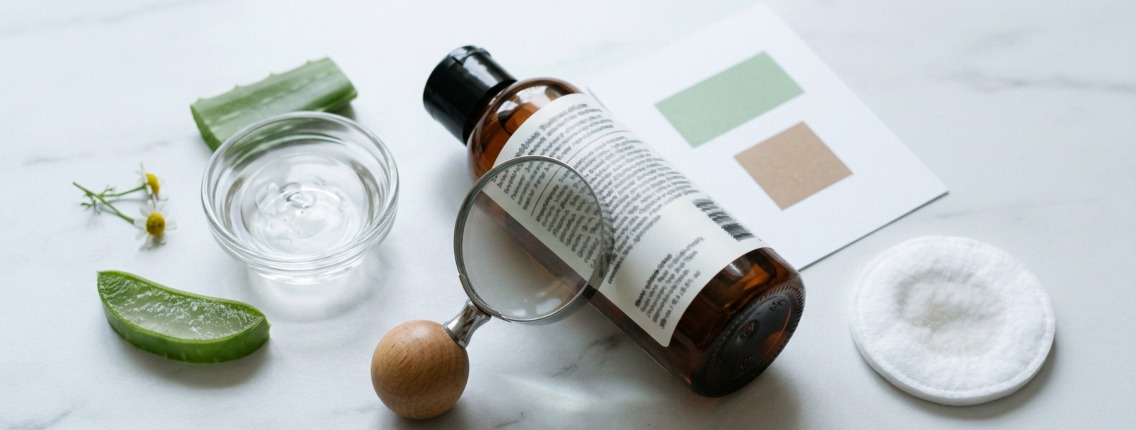
A modern toner is not the harsh astringent of decades past. Most now add a thin layer of hydration and ready the skin for what follows. The ingredients worth looking for are humectants such as glycerin or aloe and gentle soothing botanicals.
The thing to watch is a high placement of alcohol on the list, which can leave some skin tight and dry. The reliable move is simply to read the label. In Canada, every cosmetic must list its ingredients by their standard INCI names, and Health Canada does not define the word “natural” for cosmetics, so the ingredient list tells you far more than the claim on the front.
Facial oils, and whose skin they suit
A facial oil is a leave-on step that seals in moisture and supports the skin’s barrier. It tends to suit dry, normal or mature skin, and most people notice the difference most in winter. Oilier or breakout-prone skin is not shut out, but lighter oils used sparingly are the safer bet, and a few drops pressed on after moisturiser is plenty.
An oil is not automatically a moisturiser replacement. For many people it works best as the last step that holds everything else in. Because some facial oils carry essential oils, a patch test before regular use is sensible.
Natural skincare is less about a longer shelf and more about knowing what each step is for.
Green tea and clay masks explained
Green tea earns its place in skincare through its antioxidant content, chiefly polyphenols, and it is generally used for a gentle, soothing, refreshing effect rather than any dramatic result. A simple home version is cooled, strong brewed green tea or a little matcha stirred into clay or honey, left on for a few minutes and rinsed.
Clay does a different job. Clays such as kaolin, bentonite or BC glacial clay, the glacial marine clay found in British Columbia, absorb surface oil and lightly draw out impurities, which is why clay masks suit oilier skin or an occasional deep clean. The trick with any clay mask is to rinse it before it dries out completely, since a fully cracked mask can leave skin feeling tight.
Pairing green tea with clay, as some Canadian masks did, puts an antioxidant and an oil absorber in the same step. To make a green clay mask at home, stir a spoonful of clay with enough water, or cooled green tea, to form a spreadable paste, smooth on a thin layer, and rinse before it fully dries.
FAQ
It is an oil-based cleanser, sometimes called a cleansing butter, that melts on warm skin. Massage a small amount onto dry skin, add a little water to loosen it, then wipe or rinse away. It suits dry and normal skin, and oilier skin can follow it with a light second cleanse.
Not necessarily. A toner is an optional hydrating step. If your skin feels comfortable after cleansing and moisturising, you can skip it; if it feels tight, a hydrating toner can help.
Not quite. A moisturiser blends water and oil, while a facial oil is pure oil that seals moisture in. Many people use an oil as a final step over a moisturiser rather than instead of one.
Brew green tea strongly, let it cool, and stir it into a spoonful of clay or honey until spreadable. Leave it on for a few minutes, then rinse. Patch test first, especially with clay, which can be drying.
Keep it simple
Cleanse, tone if you like it, treat now and then, and moisturise. Read the ingredient list rather than the front of the box, patch test anything new, and add steps only when your skin genuinely asks for them.